
In today’s rapidly evolving technology landscape, businesses constantly face the challenge of maintaining modern IT infrastructure while managing costs and sustainability goals. One solution that is gaining increasing attention is refurbished electronics.
Refurbished devices provide companies with a cost-effective and environmentally responsible alternative to purchasing brand-new hardware. From networking equipment and telecom infrastructure to gaming devices and consumer electronics, refurbishment helps extend the lifecycle of valuable technology.
But how does refurbished equipment compare to buying new? And why are more organizations choosing refurbished solutions?
What Are Refurbished Electronics?
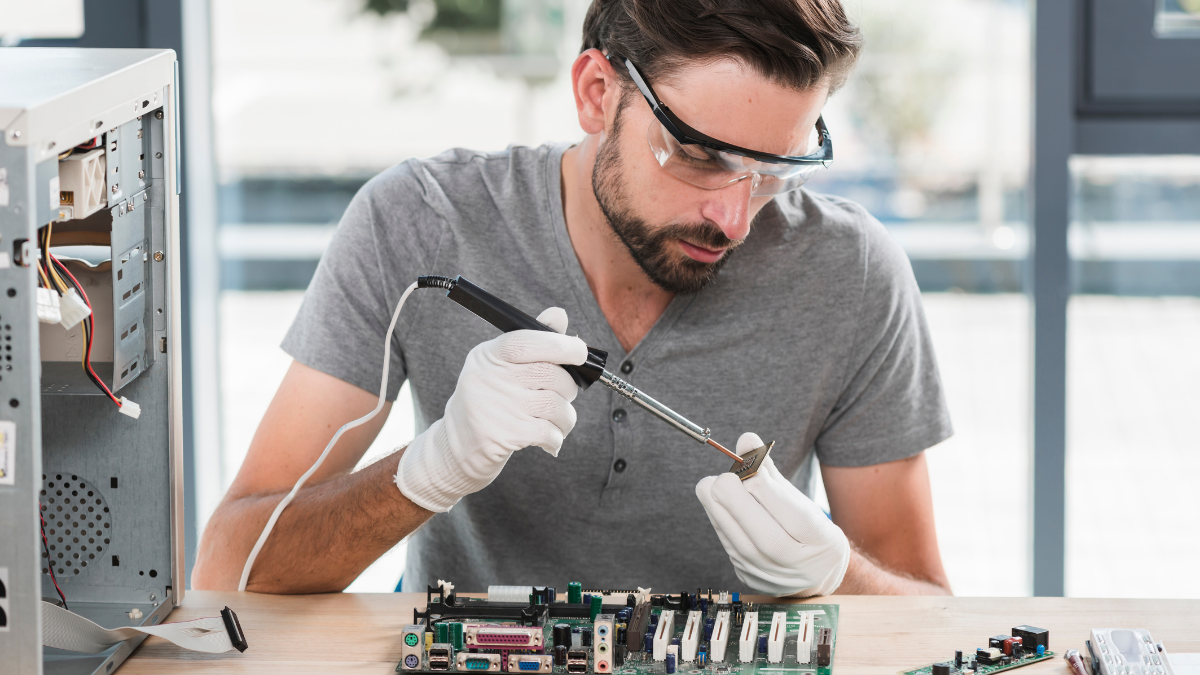
Refurbished electronics are previously used devices that have been professionally inspected, repaired, cleaned, and tested to restore them to full working condition.
Unlike second-hand products sold without verification, professional refurbishment involves a structured technical process, including:
- Detailed diagnostic testing
- Replacement of defective components
- Software or firmware updates
- Internal cleaning and maintenance
- Full functionality testing
The goal is to ensure that refurbished devices meet reliability and performance standards comparable to new equipment.
Companies like ELPA Refurb specialize in these refurbishment processes to ensure devices are ready for professional use.
Cost Advantages of Refurbished Equipment
One of the primary reasons businesses choose refurbished electronics is cost efficiency.
New enterprise hardware can represent a significant capital investment. Refurbished alternatives often allow organizations to reduce hardware costs by 30–70% depending on the device type and condition.
These savings allow companies to:
- expand infrastructure with lower budgets
- replace aging equipment more frequently
- allocate resources to other strategic investments
For telecom operators, IT providers, and system integrators, refurbished equipment can significantly reduce total infrastructure investment costs.
Sustainability and Environmental Impact
Another major benefit of electronics refurbishment is its contribution to sustainable technology practices.
Electronic waste is one of the fastest-growing waste streams globally. By refurbishing and reusing devices, companies can help reduce unnecessary electronic disposal while supporting the circular economy.
Refurbishment helps to:
- extend the lifecycle of existing hardware
- reduce electronic waste
- lower demand for new raw materials
- decrease the carbon footprint of technology production
For organizations focused on ESG and sustainability goals, refurbished equipment can play an important role in responsible IT management.
Performance and Reliability
Some companies initially worry that refurbished equipment might be less reliable than new devices. However, professional refurbishment processes ensure that devices undergo strict testing and quality control procedures before being returned to the market.
Refurbished equipment typically includes:
- fully tested components
- replaced defective parts
- updated firmware and software
- verified operational functionality
As a result, refurbished devices can provide stable and reliable performance suitable for many business environments.
When Refurbished Equipment Makes the Most Sense
Refurbished electronics are particularly beneficial in several scenarios:
Infrastructure expansion
Companies expanding networks or IT systems can reduce costs by using refurbished hardware.
Hardware replacement cycles
Replacing aging equipment becomes more affordable with refurbished options.
Testing and development environments
Refurbished devices are ideal for labs and non-critical environments.
Sustainable procurement strategies
Organizations aiming to reduce environmental impact often include refurbished equipment in procurement policies.
The Role of Professional Refurbishment Providers
Choosing the right refurbishment partner is critical. Professional providers ensure that equipment meets strict quality and operational standards.
At ELPA Refurb, devices go through a comprehensive refurbishment process including inspection, diagnostics, repair, cleaning, and testing before returning to the market.
This approach ensures that refurbished electronics deliver reliable performance, cost savings, and sustainability benefits.
The Future of Electronics Refurbishment
As businesses continue to prioritize cost optimization and environmental responsibility, the demand for refurbished electronics is expected to grow.
Refurbishment services enable organizations to extend the value of existing hardware while supporting sustainable technology practices.
For many industries, refurbished equipment is no longer just an alternative—it is becoming an essential part of modern technology lifecycle management